Winter Roof Maintenance Guide
Winter can be tough on your roof. Snow, ice, and freezing temperatures can cause serious damage if you're not prepared. This comprehensive guide covers preventive measures, safe removal techniques, and when to call a professional.
Preparation Before Winter
Start maintenance in autumn. Clean gutters and downpipes thoroughly—blocked gutters trap melting snow and ice, creating dangerous pools and potential leaks. Trim tree branches that overhang the roof; they can snap under heavy snow and damage shingles or flashing.
Inspect and seal gaps around chimneys, vents, and penetrations. Apply weatherproof caulk where needed. Ensure proper attic ventilation to prevent heat from melting snow unevenly, which causes ice dams.
Roof Snow Removal: Safety First
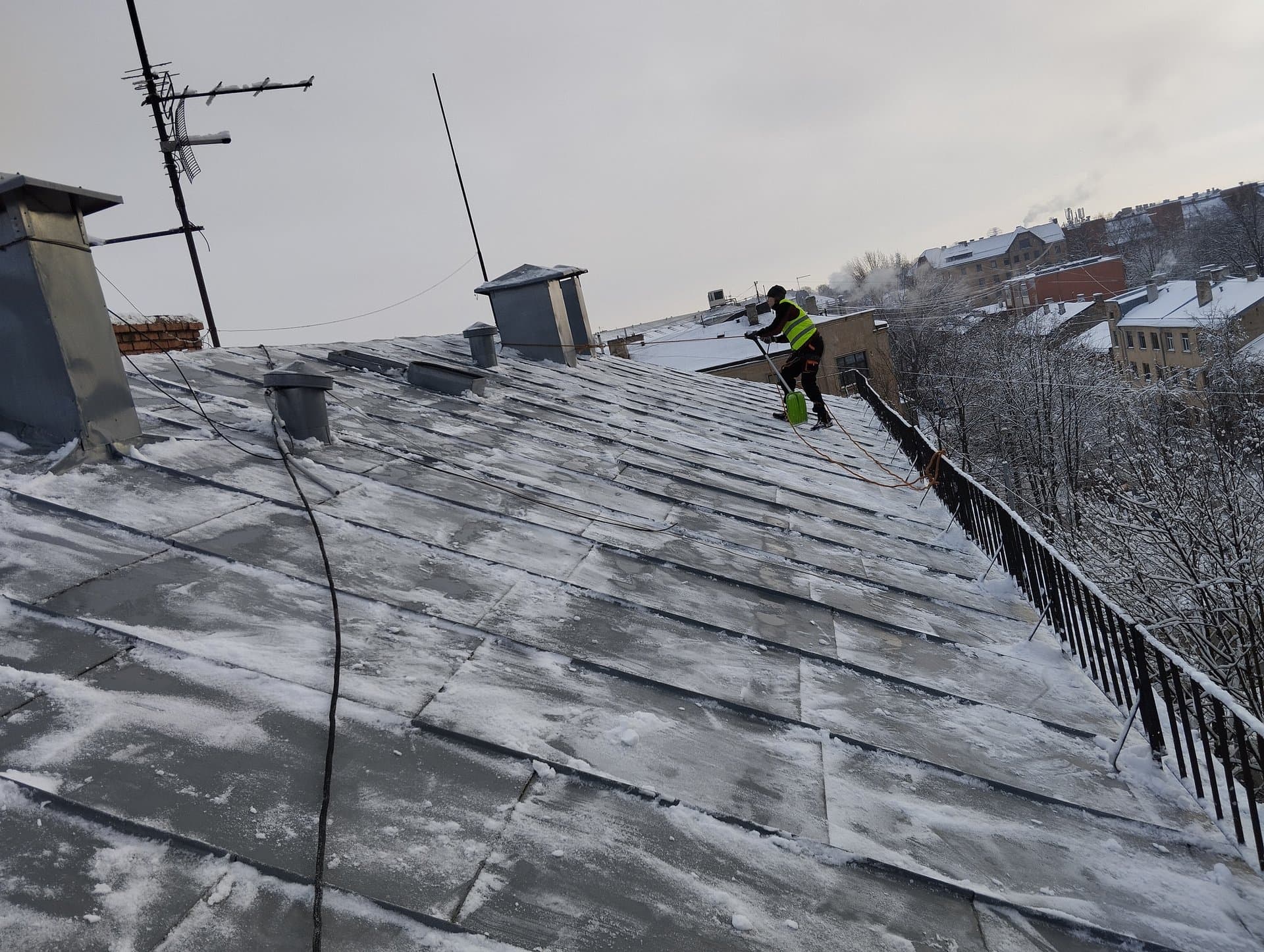
Snow buildup stresses the structure. However, ladder work on icy roofs is dangerous. If you must remove snow yourself:
- Use a roof rake from the ground—never climb onto ice-covered surfaces
- Clear eaves and edges first to allow water runoff
- Work from the top down in sections
- Wear non-slip shoes and use safety equipment if you must climb
For steep, multi-story, or commercial roofs, hire certified professionals. They have equipment, training, and insurance.
Ice Dam Prevention & Removal
Ice dams form when warm attic air melts snow at the roof edge, and the water refreezes at the colder perimeter. Prevention:
- Improve attic insulation to maintain consistent roof temperature
- Ensure exhaust fans and chimneys vent outside, not into the attic
- Keep gutters clear
If ice dams form, DO NOT chop or hammer them—you risk puncturing the roof. Instead, place roof melt tablets or calcium chloride-filled socks along the edge to create melt channels. Professional steaming removal is the safest option.
Post-Winter Inspection
After heavy snow or ice, inspect the roof for damage: missing shingles, bent flashing, granule loss, or visible cracks. Spring inspections catch winter damage early, preventing costly summer leaks.
When to Call a Professional
Contact a roofer if: snow load seems excessive, ice dams form repeatedly, you notice sagging, or damage is visible. Professional assessment costs less than emergency repairs from water damage.