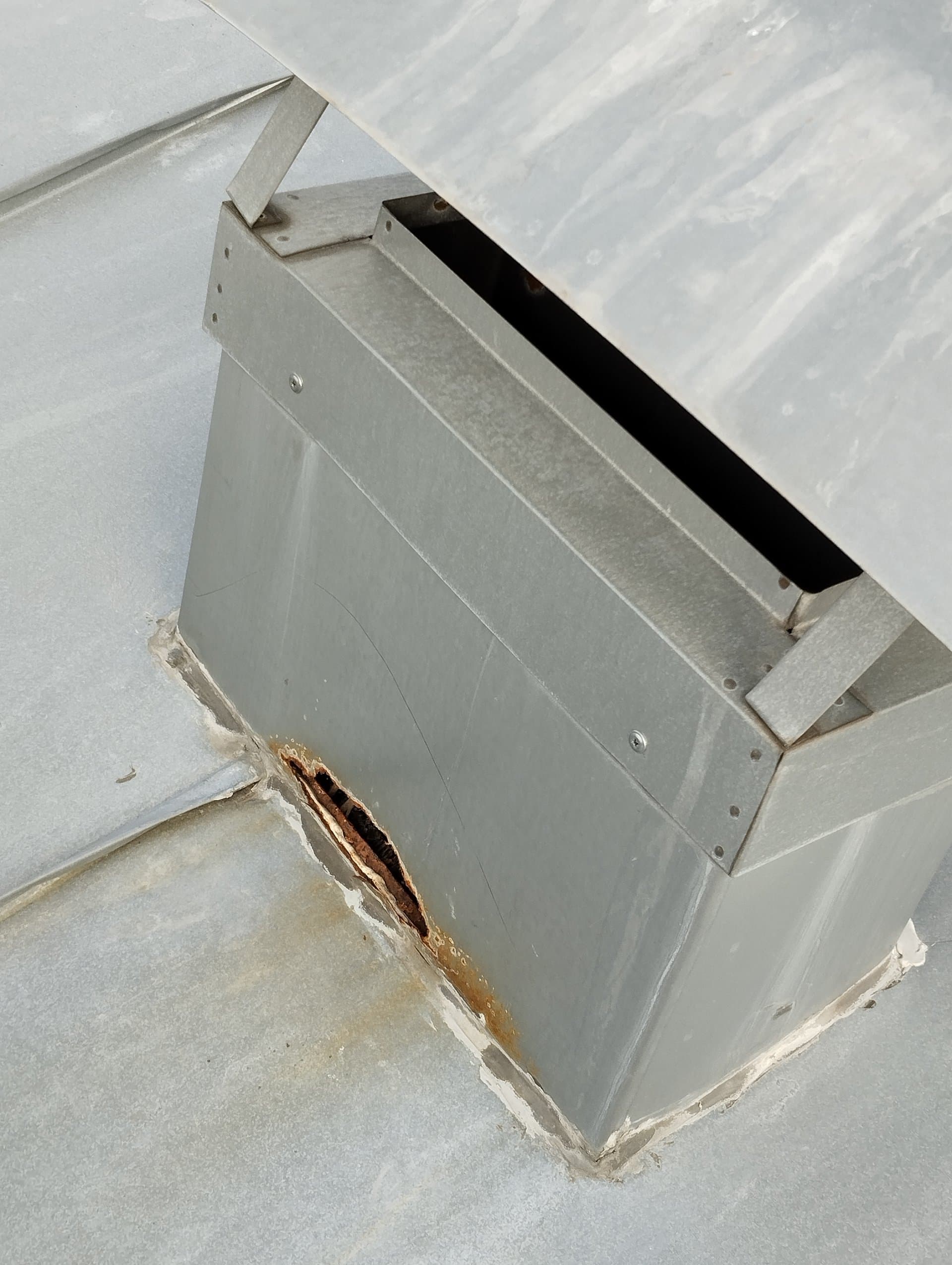
Common Leak Sources
Roof leaks rarely announce themselves at their source. Water travels along rafters, decking, and insulation before appearing as ceiling stains, often meters away from the actual entry point. Understanding common leak sources helps you identify problems early.
Primary Leak Locations
1. Chimney and Skylight Flashing
Flashing around penetrations is the most common leak source. Metal flashing can separate from masonry, rust through, or lose its sealant bond. Inspect for:
- Gaps between flashing and chimney/skylight
- Rust spots or holes in metal flashing
- Cracked or missing sealant
- Lifted or bent flashing edges
2. Roof Valleys
Valleys channel large volumes of water and experience concentrated wear. Check for:
- Missing or damaged valley flashing
- Debris accumulation blocking water flow
- Worn or cracked valley shingles
- Improper valley installation (open vs. closed)
3. Roof Penetrations
Vent pipes, antenna mounts, and satellite dishes create leak opportunities. Examine:
- Cracked or deteriorated rubber pipe boots
- Improperly sealed penetration points
- Corroded or loose mounting hardware
4. Gutters and Downspouts
Clogged or damaged gutters cause water backup and roof edge damage:
- Overflowing gutters during rainfall
- Sagging or separated gutter sections
- Ice dam formation in winter
- Water stains on fascia boards
5. Damaged Fasteners and Seams
Wind-driven rain can exploit tiny openings:
- Lifted or missing shingles
- Exposed or loose nails
- Separated seams on metal roofing
- Cracked or curling shingle edges
DIY Leak Detection Methods
Interior Inspection:
- Check attic spaces after rainfall for wet insulation, water stains, or mold
- Use flashlight to trace water trails to potential entry points
- Look for daylight penetrating through roof deck
- Note musty odors indicating hidden moisture
Exterior Visual Check:
- Use binoculars to inspect roof from ground level
- Look for obvious damage, missing shingles, or lifted flashing
- Check gutter outlets for proper drainage
- Inspect attic vents for proper sealing
Water Test (Safe Method):
With a helper inside monitoring for leaks, gently spray water on suspected areas from a garden hose. Start low and work upward, isolating sections. This simulates rainfall without roof climbing risks.
When DIY Ends and Professional Help Begins
Call a professional immediately for:
- Active leaks during rainfall—emergency repairs may be needed
- Structural damage signs (sagging, soft spots, cracking)
- Multiple leak points indicating systemic problems
- Steep roof pitches or multi-story homes
- Uncertain leak source despite thorough inspection
- Damage around complex roof features (dormers, valleys, skylights)
Professional Advantages:
Certified roofers use infrared cameras to detect hidden moisture, have proper safety equipment for roof access, understand building code requirements, provide warranted repairs, and can identify underlying problems beyond immediate leaks.
Leak Detection Services
UpRoof offers comprehensive leak detection services:
- Infrared moisture scanning
- Drone-based roof inspection (no ladder required)
- Detailed photo documentation
- Written assessment with repair recommendations
- Free estimates for identified repairs
- Emergency 24/7 response for active leaks
Don't let a small leak become structural damage costing thousands. Contact UpRoof at +371 25612440 for professional leak detection and reliable repairs backed by our 10-year workmanship guarantee.